

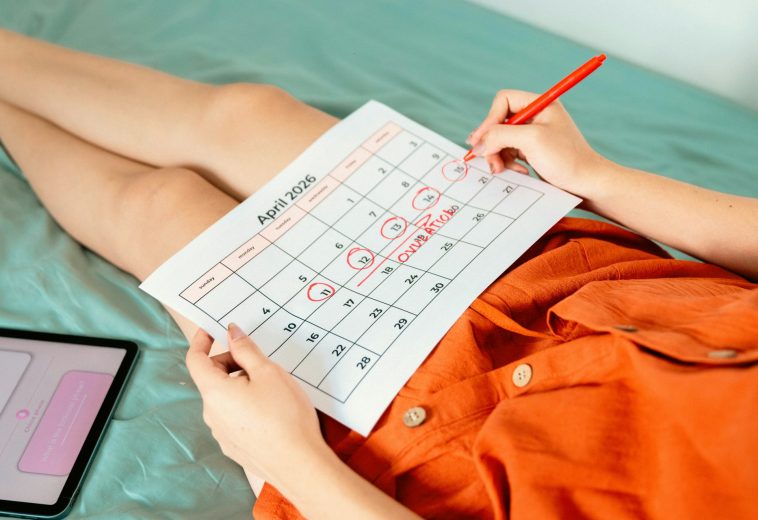
Menstrual cycles can influence more than the timing of a period. Changes in hormone levels may coincide with shifts in mood, sleep, energy, skin and other everyday experiences. However, tracking these symptoms separately can make it difficult for women to recognize recurring patterns or understand how they relate to different stages of their cycles.
Research is increasingly examining the role of digital tools in helping women monitor these changes. A study published in npj Women’s Health surveyed 11,910 users of a menstrual tracking app. Among respondents who reported concerns about their cycles or symptoms, 90% said tracking helped them better understand their bodies and cycle patterns, while 81% felt it helped them prepare for symptoms. These findings suggest that tracking can support awareness and conversations about menstrual health, although it does not replace medical assessment.
The quality of these tools also matters. A 2025 study published in BMC Women’s Health evaluated 14 menstrual health apps and identified differences in symptom-tracking functionality, inclusiveness, educational content and privacy practices. Researchers found that 71.4% of the evaluated apps shared user data with third parties, highlighting why users should consider data protection alongside features when choosing a platform.
Apps for tracking symptoms alongside menstrual cycles
Apps for tracking symptoms alongside menstrual cycles allow users to record physical and emotional experiences and compare them with cycle phases over time. Rather than focusing exclusively on period dates, these tools can help users monitor changes in mood, energy, sleep, pain and other symptoms, creating a more complete picture of their menstrual health.
Ourself Health takes this broader approach by combining menstrual cycle tracking with personalized health insights. Its women’s health platform allows users to record symptoms and daily experiences and examine how they relate to hormonal changes.
The platform tracks information such as mood, sleep, energy, skin, exercise, cravings and other health indicators. Users can also log specific concerns, including migraines and recurring symptoms, and look for patterns alongside their menstrual cycles. This approach is designed to help women move beyond isolated symptom records and understand how different aspects of their health may change over time.
A central feature is Cycle Intelligence, which helps users understand patterns across their cycles. The platform also provides insights into how energy, mood, sleep and skin can shift throughout different hormonal phases. By combining cycle information with everyday health records, Ourself aims to give users a more personalized view of their experiences.
The app also includes Stella, an AI health assistant designed to interpret personal health information alongside women’s health research. Through Stella, users can ask questions about symptoms, hormonal changes and cycle-related experiences. Its responses take into account information in the user’s health profile, including previously recorded symptoms and cycle patterns.
For example, a user experiencing recurring fatigue before menstruation can ask Stella about possible explanations and review how the symptom has appeared across previous cycles. The assistant can also help users prepare questions or summary notes for healthcare appointments. These features are intended to support health awareness and communication, rather than provide a medical diagnosis.
When evaluating apps for tracking symptoms alongside menstrual cycles, users should consider the range of symptoms they can record, whether the platform identifies patterns over time, the quality of its health information and how it handles personal data. Privacy policies and the limits of cycle predictions are also important considerations.
As research into menstrual health continues to develop, digital tracking tools may help women organize information about recurring symptoms and bring more detailed records into conversations with healthcare professionals. Ourself Health’s approach combines cycle tracking, everyday symptom records and AI-supported insights to help users better understand these experiences.








 22 c
 19 c
 14 c