
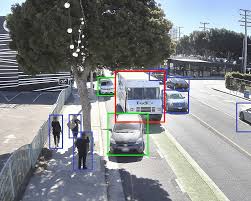
Automotus, a Los Angeles startup focused on using software to untangle curbside congestion, has raised $9 million in fresh funding as cities grapple with growing traffic and delivery demands.
The round brings Automotus’ total capital raised to $26 million since its founding in 2017. The company was launched by CEO Jordan Justus and CTO Harris Lummis while the two were still students at Loyola Marymount University, and has since grown into a key player in the emerging curb management space.
According to the company, the financing includes $7.5 million in equity and $1.5 million in credit. Santa Barbara Venture Partners and Weatherford Capital joined the round, alongside BarronKent Ventures, Techstars Ventures, kineo, and several other investors.
Automotus’ platform relies on computer vision and data analytics to help municipalities and airports better understand how curb space is used. By monitoring traffic flow, loading zones, and vehicle behavior in real time, the system enables cities to manage congestion, automate payments, and make more informed infrastructure decisions.
Beyond congestion, safety remains a core focus. Automotus engineer Ganesh Vanama pointed to global traffic data showing the urgency of better street design. The World Health Organization estimates that roughly 1.19 million people lose their lives each year in road traffic incidents, with pedestrians, cyclists, and motorcyclists accounting for a majority of fatalities.
“AI-powered curb management gives cities visibility they’ve never had before,” Vanama said. “When you can measure how vehicles and people interact in real time, you can redesign streets in ways that meaningfully reduce risk and improve daily mobility.”
As ride-hailing usage continues to climb and e-commerce deliveries multiply, curb space has become one of the most contested—and least visible—parts of the transportation ecosystem. Automotus positions its technology as a way for cities to regain control over that environment without adding physical infrastructure.
“Urban curb space wasn’t designed for today’s mix of ride-hailing, delivery vehicles, and emerging autonomous systems,” said Justus. “This funding allows us to expand our reach and help cities improve safety, efficiency, and sustainability at the street level.”
The company says its technology is now live in dozens of markets across the U.S., serving both public-sector and airport customers. Automotus plans to use the new capital to enhance its product offerings, expand into additional cities, and strengthen customer support operations.